
THE PUMP HOUSE: 1892 BATTLE OF HOMESTEAD
The July 6, 1892 battle between the union workers of Carnegie Steel and Pinkerton guards at the Homestead mill was a watershed in American labor relations. While the battle ended with the Pinkertons’ surrender, the union’s ultimate defeat retarded union organization of mass production industry for 45 years. The battle helped establish “employment at will” as the basic operating principle of American labor relations. Homestead workers operating the massive steel complex felt that they had a certain ownership right to their job; a role in bargaining the price of their labor; as well as the power ·to participate in decisions in the workplace that affected their lives.
The Pump House, the only building standing from the original steel works, was at the center of the 1892 shootout. Henry Clay Frick attempted to land 300 armed men to secure the mill a week into the lockout/ strike. Following the surrender of the Pinkertons to community and union forces, the members of the invading army passed through a gauntlet of angry women and youths before being put on a train out of town. The assassination attempt by anarchist Alexander Berkman on Frick helped swing public opinion against the workers. Following the union’s defeat, the Carnegie mills cut wages and imposed the twelvehour day, seven-day work week and the swing shift on the majority of its workers. The Battle of Homestead Foundation presents labor education programs at the Pump House from spring to fall each year.
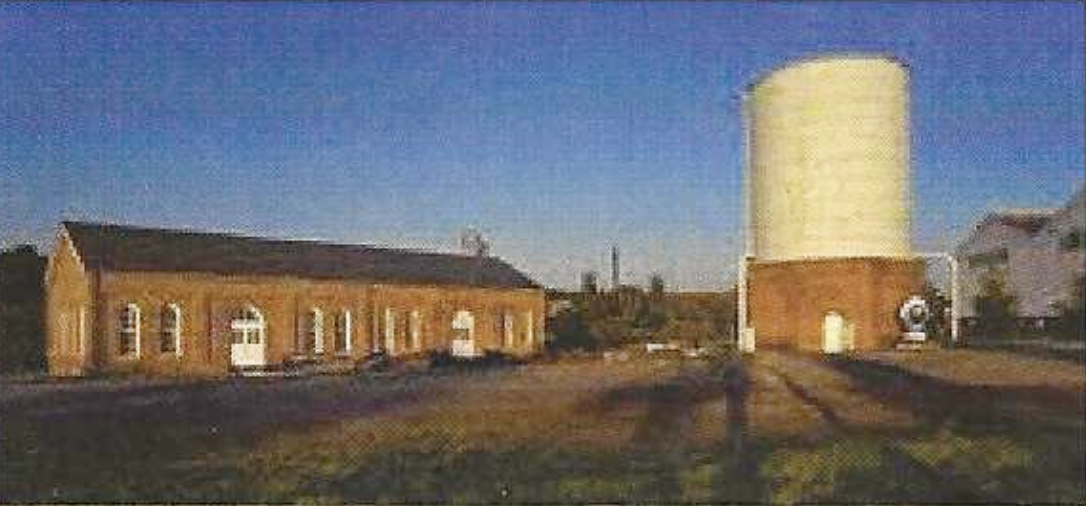
Pump House – 1892 Battle of Homestead marker, 880 E. Waterfront Dr., Munhall
 Pittsburgh Labor History Trail