
PENNSYLVANIA TURNPIKE (1938)
The Pennsylvania Turnpike, a Franklin D. Roosevelt New Deal project, created the template that led to the creation of the Interstate Highway system under President Eisenhower. Begun in 1938, it was the first long-distance, limited access highway in the U.S. Modeled on the German Autobahn, it used a series of abandoned tunnels dug for Cornelius Vanderbilt’s South Pennsylvania Railroad in the 1880s. The initial section from Carlisle to Irwin east of Pittsburgh cut the drive time between Pittsburgh and Harrisburg by more than half.
Eighteen thousand workers were needed to build the road over rugged ridges and narrow valleys. Bulldozers and dynamite achieved the deepest highway cuts made up to that time. Nineteen workers lost their lives in its construction.
Initially, the idea was to use WPA workers, but the complexity of the task prompted the use of private contractors that were union or became union. A Heavy and Highway Construction consortium included unionized contractors with the Operating Engineers, Carpenters, lronworkers, Cement Finishers, Laborers and Pile Drivers. The building trades unions had seen many small locals in the center of the state go defunct during the Great Depression. The turnpike and increased economic activity due to military expenditures stimulated the steady expansion and consolidation of the skilled trades local unions.
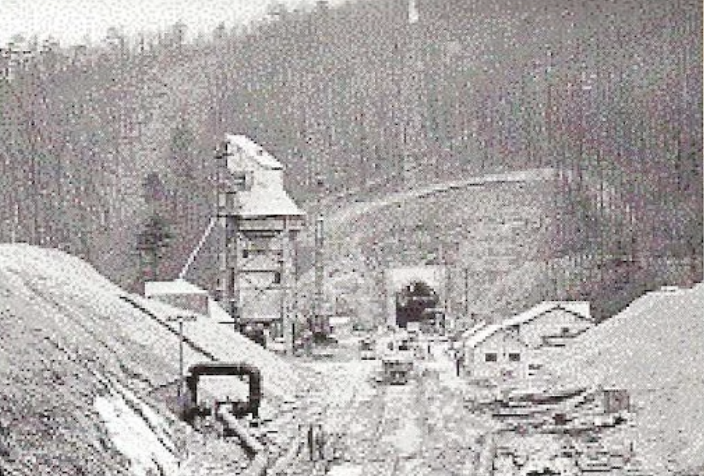
the Pennsylvania Turnpike
 Pittsburgh Labor History Trail