
MAMMOTH AND DARR MINE EXPLOSIONS (1891, 1907)
Coal mining in Pennsylvania was an extremely dangerous occupation, especially in the years between 1890 and 1920 when the state’s death toll regularly exceeded 1,000 miners per year. H.C. Frick’s Mammoth Mine exploded on January 27, 1891; its 109 killed equaled the worst mining disaster to that point in the Commonwealth. More than half the men were buried in a unmarked mass grave in St. John’s Catholic Cemetery. In 2000, the Pennsylvania Labor History Society marked the site of the mass grave as well as the graves of those shot down later in 1891 at Morewood (23a).
The deadliest coal mine disaster in Pennsylvania took place at the Darr Mine near Jacob’s Creek on the Youghiogheny River (23b). On December 19, 1907, an explosion killed 239 men and boys, most immigrants from the Austro-Hungarian Empire (that included Poles, Slovaks, Croatians, Rusyns and Hungarians). December of 1907 was the deadliest month in American mining history with 3,000 casualties including the Monongah, West Virginia, mine explosion that killed at least 362 miners. While the Monongah disaster happened on the Roman Catholic- feast of Saint Nicholas, the Darr Mine explosion happened after the mine reopened following festivities for the Eastern Orthodox and Byzantine Catholic feasts of St. Nicholas. Hundreds of miners at each mine were spared death because of religious duties or hangovers: this strange coincidence became known as the “miracle of St. Nicholas.”
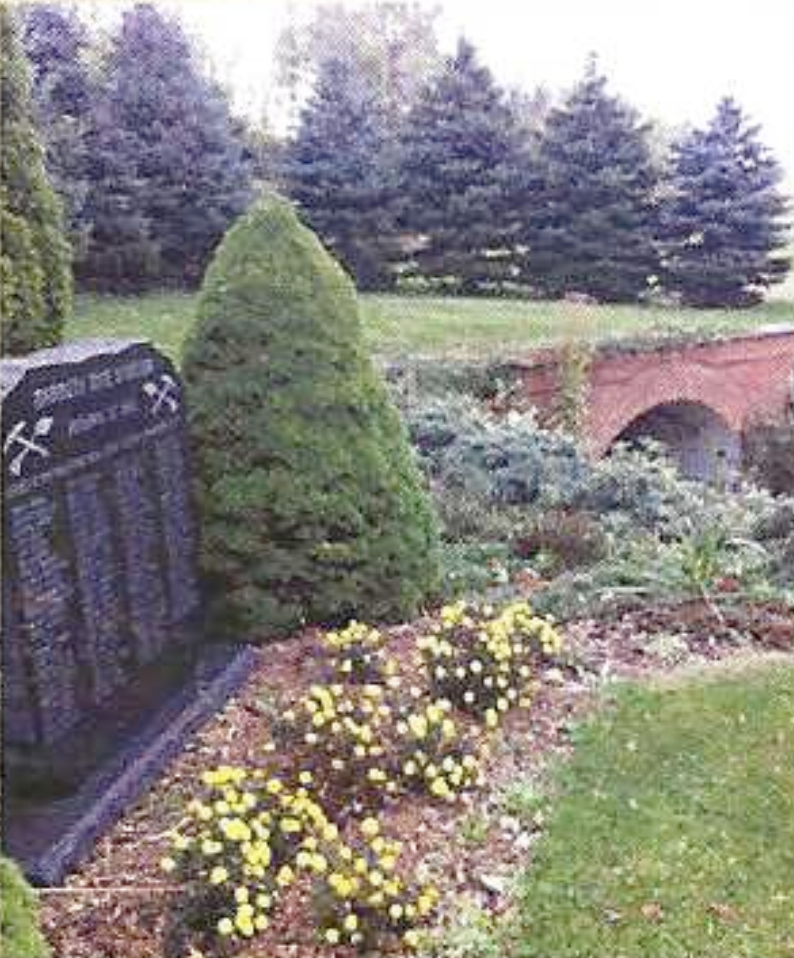
Mammoth Mine Explosion marker, St. John’s Cemetery, Rt. 819, Scottdale
Darr Mine ( 1907) marker, Olive, Branch Cemetery, Rt. 981 between Rt. 51 and Smithton Portal, Mammoth No. l mine, Mt. Pleasant
 Pittsburgh Labor History Trail