
CARRIE FURNACES
The only non-operative blast furnaces to be preserved following the decline of Mon Valley steelmaking in the 1980s, this site in Rankin is progressing surely into becoming an important interpretive center for steel industry history. Built in 1907, these furnaces combined iron ore, coke and limestone to produce iron that was then transported across the Monongahela on a “hot metal bridge” to be used in the massive open hearth furnaces of the Homestead Works. Until the 1950s, these furnaces produced up to 1250 tons of iron a day. Open hearth technology permitted the creation of very large heats of steel adjusted to an exact character and strength by the addition of alloys. Homestead specialized in armor plate that made the United States a dominant sea power, and structural steel beams that helped launch the age of the skyscraper, fundamentally changing the character of cities worldwide.
The Steel Industry Heritage Corporation through its Rivers of Steel National Heritage Area has ambitious plans to make the site a major cultural and historic destination. A new ramp off the Rankin Bridge will soon provide access to the furnaces and other planned developments on the site. During the many years when the site was abandoned, a group of local artists scavenged materials to construct a deer’s head of steel rods and miles of wire that rises 40 feet out of the structure. The sculpture is being stabilized and preserved.
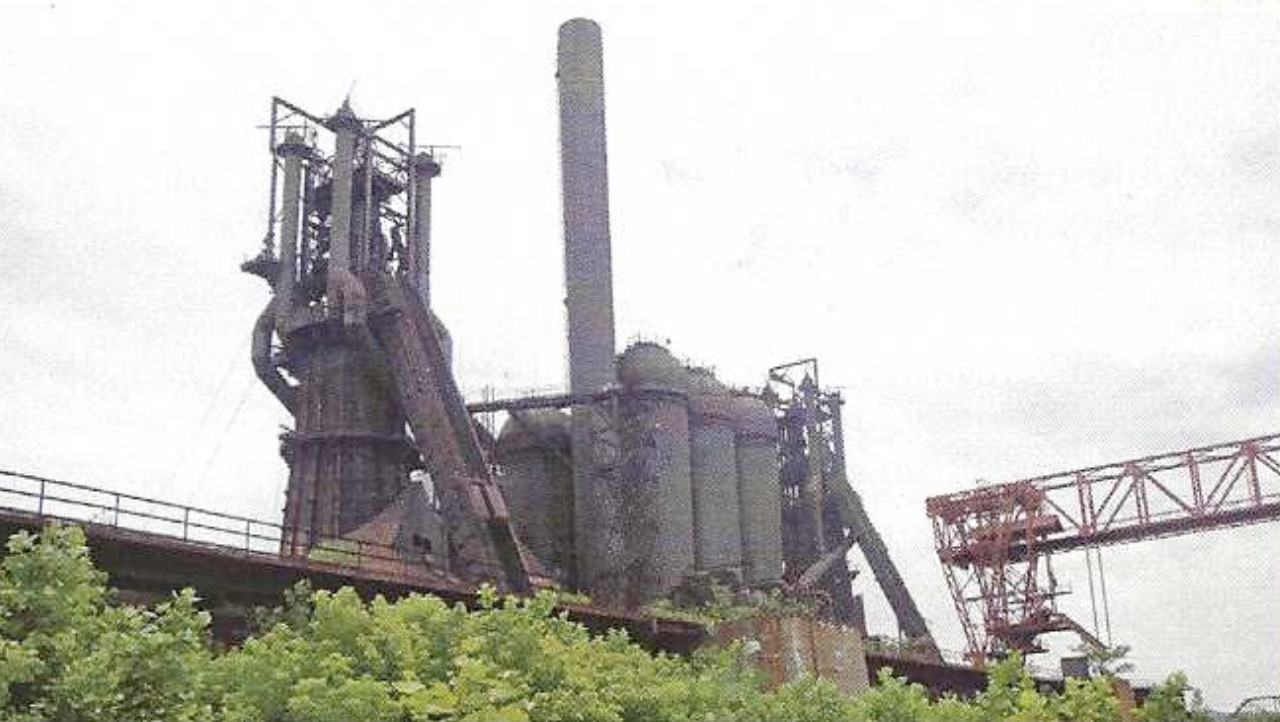
Carrie Furnace, north side of Monongahela River west of Rankin Bridge, Rankin
 Pittsburgh Labor History Trail