
“Blue-Collar” Sports
Physical effort, skill and toughness were admired in Pittsburgh’s industrial and immigrant blue-collar culture. In sports, nothing symbolized these attributes more than the Pittsburgh Steelers who demonstrated excellence and teamwork at the very moment Pittsburgh’s industrial base was collapsing. “Depression boxers,” literally fighting for a better life, lifted the city’s boxing status to tops in the world (1938-1942) with champions like Billy Conn and Fritzie Zivic.
The Pittsburgh Pirates exemplified the city’s working class identity with the exploits of a local boy from Carnegie. Honus Wagner won baseball’s batting championship eight times, but always remembered working in coal mines as a nine-year-old.
“I seldom saw daylight except on Sundays and holidays. I’d start for work very early in the morning when it was dark and return home in the dusk and darkness of the evening. I loaded a ton of coal a day in a ‘boy car’ for 70 cents.”
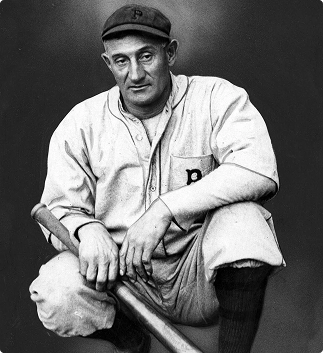
Honus Wagner (1874–1955)
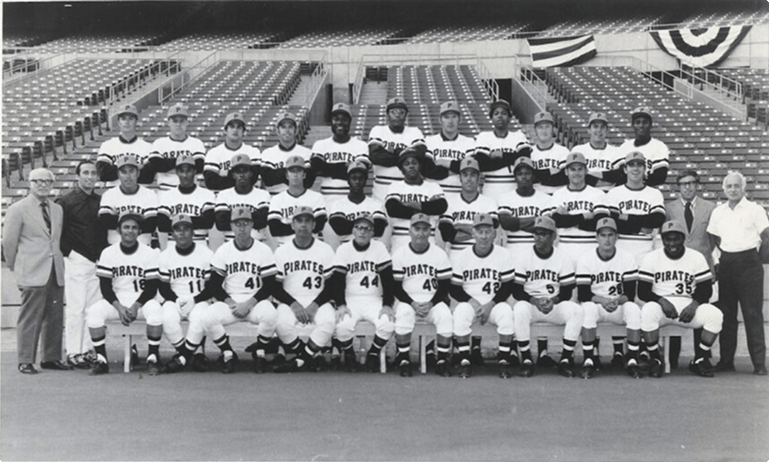
The Pirates fielded the first all Black and Latino team in baseball in 1971.
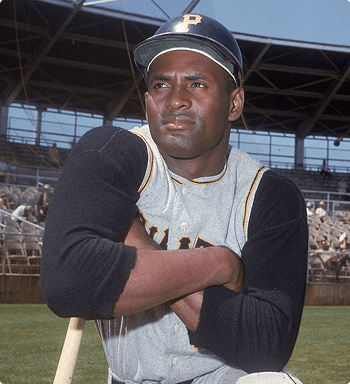
Roberto Clemente (1934–1972)
Perhaps the most revered Pirate of all time was that team’s brilliant outfielder. A fierce player, Roberto Clemente demanded respect.
“From the first day, I said to myself: ‘I am the minority group. I am from the poor people. I represent the common people of America. So I am going to be treated as a human being. I don’t want to be treated like a Puerto Rican, or a black, or nothing like that. I want to be treated like any person who comes for a job.”
 Pittsburgh Labor History Trail